


Introduction
A home hyperbaric chamber allows users to enjoy the convenience of hyperbaric oxygen therapy (HBOT) in a familiar and comfortable environment. However, proper setup is essential to ensure safe operation, reliable performance, and a positive treatment experience. From selecting a suitable installation location to preparing the necessary equipment and performing safety checks, every step plays an important role in helping your chamber operate efficiently. This guide outlines the key steps to properly set up a home hyperbaric chamber and prepare it for everyday use.

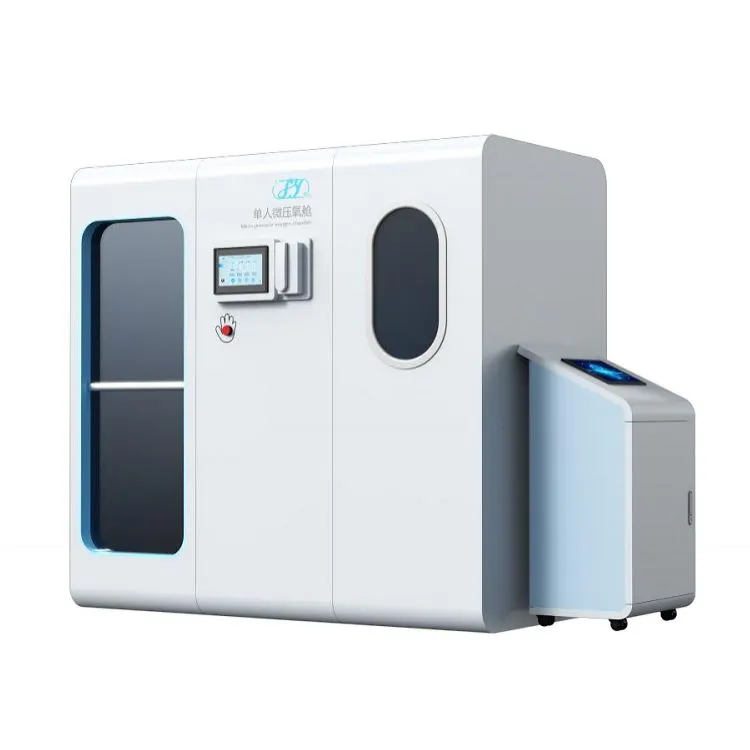
Steps to Properly Set Up a Home Hyperbaric Chamber
A few simple steps can help ensure safe installation and reliable daily operation.
Step 1: Choose the Right Installation Location
Before setting up your home hyperbaric chamber, select a clean, dry, and well-ventilated indoor space. The installation area should have a stable, level floor that can safely support the chamber during operation. Leave sufficient clearance around the chamber for easy access, maintenance, and emergency situations, while avoiding locations exposed to direct sunlight, excessive humidity, dust, or heat sources. A properly prepared environment not only improves user comfort but also helps maintain consistent equipment performance over the long term.
Step 2: Select the Right Home Hyperbaric Chamber
Choosing the right chamber is just as important as preparing the installation space. Consider factors such as the number of users, available room size, desired pressure level, and daily usage frequency before making a decision. Soft-shell chambers are often preferred for their portability and compact footprint, while hard-shell models provide a more rigid structure and are suitable for users seeking enhanced comfort and higher operating pressures. Selecting a chamber that fits both your treatment needs and home environment will make installation easier and improve your long-term user experience.
Step 3: Prepare the Chamber and Supporting Equipment
Before the first use, carefully inspect the chamber and all accessories to ensure everything is complete and undamaged after delivery. Install the air compressor, oxygen concentrator, and connecting hoses according to the manufacturer's instructions, making sure all fittings are securely connected. Once the system is assembled, perform a basic inspection of the valves, zippers or door seals, control panel, and emergency components to confirm that the chamber is ready for safe operation before proceeding with pressure testing.
Step 4: Test the System Before First Use
Before entering the chamber for your first HBOT session, perform a complete system check to ensure everything is functioning properly. Verify that all connections are secure, the air compressor and oxygen concentrator are operating normally, and the chamber can be pressurized without air leaks. It is also recommended to test the pressure release system, communication devices (if equipped), and other safety features to ensure the chamber is ready for reliable daily use.
Step 5: Follow Safe Operating and Maintenance Practices
Proper setup is only the beginning-regular operation and maintenance are equally important for long-term performance. Always follow the manufacturer's operating instructions, keep the chamber clean and dry after each session, and routinely inspect hoses, valves, seals, and other key components for signs of wear. Scheduling regular maintenance and replacing consumable parts when necessary can help maintain stable performance, extend the service life of the chamber, and provide a safer HBOT experience over time.
Tips for Getting the Best Performance from Your Home Hyperbaric Chamber
Following good operating habits can help maximize safety, comfort, and equipment performance.
- Maintain a Suitable Operating Environment: Keep the chamber in a clean, dry, and well-ventilated area to minimize the effects of dust, moisture, and excessive heat, helping ensure stable performance and extend equipment life.
- Inspect Key Components Regularly: Check hoses, valves, seals, zippers or chamber doors, and electrical connections on a routine basis to identify wear or damage early and prevent unexpected operational issues.
- Follow Recommended Operating Procedures: Always operate the chamber according to the manufacturer's guidelines, including recommended pressure levels and session duration, to ensure safe and reliable HBOT sessions.
- Perform Routine Cleaning and Maintenance: Clean the chamber after regular use and follow the recommended maintenance schedule to keep all supporting equipment in good condition and maintain consistent long-term performance.
Conclusion
Properly setting up a home hyperbaric chamber is essential for ensuring safe operation, reliable performance, and a comfortable HBOT experience. By selecting an appropriate installation location, preparing the equipment correctly, performing necessary system checks, and following recommended operating and maintenance practices, you can maximize the efficiency and service life of your chamber. At 701, we are committed to providing high-quality home hyperbaric chambers along with professional guidance to help customers achieve a safe and hassle-free installation. Contact us today to learn more about our home hyperbaric chamber solutions and find the right HBOT system for your home.
References
- Hyperbaric Oxygen Therapy: A Review of Its Clinical Applications and Efficacy. Journal of Hyperbaric Medicine.
- Safety Guidelines for Home Hyperbaric Chambers. National Fire Protection Association.
- Hyperbaric Oxygen Therapy: Physiological Basis and Therapeutic Applications. European Journal of Anaesthesiology.


