


Introduction
Hyperbaric chambers are designed to deliver safe, stable, and effective oxygen therapy for medical, wellness, and rehabilitation applications. Like any advanced piece of equipment, however, they require proper operation and regular maintenance to perform reliably over time. Understanding how to respond to unexpected equipment issues not only helps protect users but also minimizes downtime and prevents minor problems from developing into costly repairs. This guide explains the most common causes of hyperbaric chamber malfunctions, the immediate steps to take when problems occur, and practical ways to keep your chamber operating safely and efficiently.
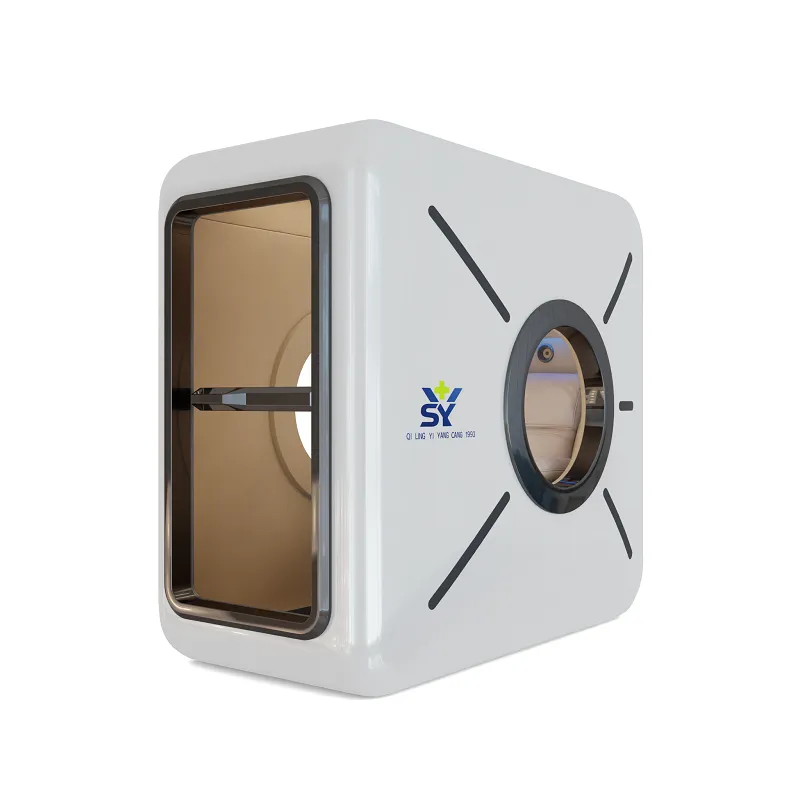

Common Causes of Hyperbaric Chamber Malfunctions
Most hyperbaric chamber malfunctions can be traced to a few common causes. Identifying these issues early helps reduce equipment downtime, improve operational safety, and extend the service life of the chamber.
Improper Operation
Incorrect operating procedures, such as rapid pressurization or depressurization, improper startup or shutdown sequences, or exceeding the recommended operating conditions, can place unnecessary stress on the chamber and its components, increasing the risk of equipment failure.
Lack of Routine Maintenance
Regular inspection and maintenance are essential for keeping a hyperbaric chamber in good working condition. Worn seals, aging valves, blocked air filters, or neglected system checks can gradually affect chamber performance and eventually lead to operational problems.
Component Wear and Aging
Key components such as pressure regulators, oxygen supply systems, electrical controls, and sealing materials naturally wear over time. Without timely replacement or servicing, these parts may reduce system reliability or cause unexpected malfunctions during operation.
Environmental and Power Factors
External conditions can also affect equipment performance. Unstable power supplies, excessive humidity, dust accumulation, or operating the chamber outside the recommended environmental conditions may interfere with electrical systems, sensors, and overall chamber stability.
Common Hyperbaric Chamber Problems
Recognizing common equipment problems early allows operators to respond quickly, reduce downtime, and maintain a safe treatment environment.
Pressure Control Issues
Pressure fluctuations or an inability to reach the required treatment pressure are among the most common chamber problems. These issues may result from air leaks, faulty pressure regulators, or compressor-related faults, all of which can affect treatment effectiveness and safety.
Oxygen Supply Interruptions
A restricted oxygen supply caused by blocked lines, regulator malfunctions, or oxygen concentrator failures can reduce oxygen concentration inside the chamber. If not addressed promptly, it may interrupt therapy and compromise treatment results.
Electrical and Control System Failures
Problems with the power supply, PLC controller, sensors, or touch-screen interface may trigger alarm messages or prevent the chamber from operating normally. Stable electrical performance is essential for maintaining safe and reliable chamber operation.
Door Seal and Air Leakage
Damaged door seals, worn gaskets, or improperly closed chamber doors can lead to pressure leakage during operation. Regular inspection of sealing components helps maintain pressure stability and prevents unnecessary treatment interruptions.
What to Do If Your Hyperbaric Chamber Malfunctions
Responding correctly to a chamber malfunction helps protect users, minimize equipment damage, and restore normal operation as quickly as possible.
Stop the Session Safely
If the chamber displays abnormal pressure readings, alarm notifications, or any other signs of malfunction, stop the treatment immediately and follow the recommended depressurization procedure. Never attempt to force the chamber to continue operating under abnormal conditions.
Perform a Basic Equipment Inspection
After the chamber has safely returned to normal pressure, inspect visible components such as the power supply, air hoses, door seals, pressure gauges, and control panel for any obvious signs of damage, loose connections, or system abnormalities.
Record the Fault Information
Document any alarm codes, pressure readings, operating conditions, and the time the issue occurred. Accurate fault records help technicians identify the cause more efficiently and reduce troubleshooting time.
Contact the Manufacturer or Technical Support
If the problem cannot be resolved through routine inspection, contact the equipment manufacturer or an authorized service technician immediately. Avoid disassembling or repairing critical components without professional guidance, as improper repairs may create additional safety risks or damage the equipment further.
How to Prevent Hyperbaric Chamber Failures
Routine maintenance and proper operation are the most effective ways to reduce equipment failures and ensure long-term chamber reliability.
- Follow a Regular Maintenance Schedule: Inspect the pressure system, oxygen supply, electrical components, and seals regularly to identify potential issues before they become major problems.
- Perform Daily Pre-Operation Checks: Check the control panel, pressure gauges, communication system, and door seals before each session to ensure the chamber is ready for safe operation.
- Train Operators Properly: Ensure operators understand standard operating procedures, safety protocols, and emergency response to reduce the risk of human error.
- Use Genuine Parts and Professional Service: Replace worn components with manufacturer-approved parts and rely on qualified technicians for maintenance and repairs.
701: Your Trusted Hyperbaric Chamber Manufacturer
As a professional hyperbaric chamber manufacturer, 701 is committed to delivering safe, reliable, and high-performance HBOT solutions to customers worldwide. Our product portfolio includes home-use and professional hyperbaric chambers designed to meet a wide range of application needs. Backed by strict quality control, continuous product innovation, and responsive technical support, we help customers achieve long-term equipment reliability and operational efficiency. Whether you are looking for standard models or customized solutions, 701 is ready to support your project from consultation to after-sales service.
Conclusion
While no equipment is completely immune to technical issues, most hyperbaric chamber malfunctions can be effectively managed through preventive maintenance, proper operation, and prompt troubleshooting. Understanding how to identify common problems and respond appropriately not only enhances user safety but also helps maintain stable chamber performance and maximize the long-term value of your investment. Contact us today to discuss your requirements and discover the right hyperbaric chamber solution for your business.
References
- Hyperbaric Oxygen Therapy: A Review of Its Clinical Applications and Mechanisms of Action. Journal of Hyperbaric Medicine.
- Safety Guidelines for Hyperbaric Chambers. American Hyperbaric Chamber Association.


