Introduction
Hyperbaric oxygen therapy is becoming an increasingly considered option in professional veterinary care. As clinics evaluate whether to add hyperbaric oxygen therapy to their facilities, the chamber itself deserves careful consideration. A veterinary hyperbaric chamber must do more than provide an oxygen-enriched environment; it also needs to maintain stable pressure, support safe operation, allow effective monitoring, and fit into the practical demands of a clinical setting. Equipment that looks suitable based on basic specifications may still create operational or maintenance challenges after installation. This guide examines the key safety and selection factors veterinary clinics should consider when evaluating hyperbaric chamber options.
Why Choose Hyperbaric Chambers for Veterinary Clinics?
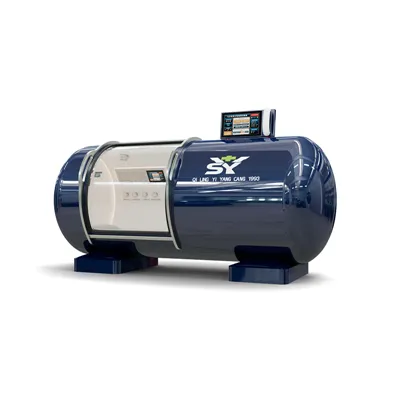
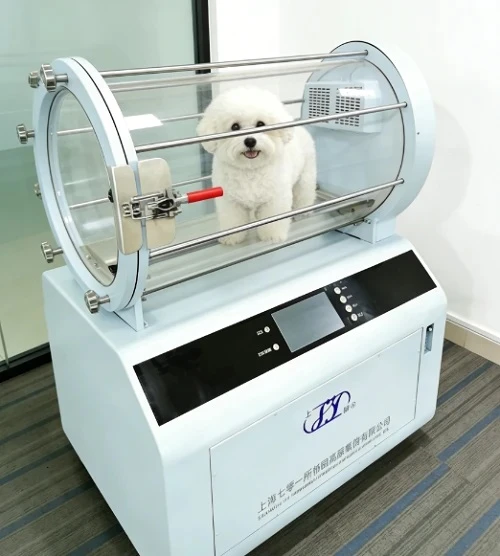
A veterinary hyperbaric chamber creates a controlled treatment environment by combining increased atmospheric pressure with an oxygen-enriched atmosphere inside a sealed chamber. Compared with conventional oxygen delivery equipment, a dedicated hyperbaric chamber can control and monitor key treatment conditions such as chamber pressure, oxygen concentration, ventilation, temperature, and treatment time. This integrated approach gives veterinary staff greater control over the treatment environment while allowing the animal to remain under continuous observation during the session. For clinics, the main advantage of a dedicated veterinary chamber is therefore not simply oxygen delivery, but the ability to manage multiple treatment conditions within one purpose-built system.
What Safety Features Matter in Veterinary Hyperbaric Chambers?
Safety should be evaluated as a combination of chamber design, oxygen management, pressure
control, and real-time monitoring rather than as a single specification.
Stable Pressure Control
A veterinary hyperbaric chamber should provide controlled and stable pressure adjustment throughout the treatment session. A reliable pressure control system helps staff set the intended chamber pressure and monitor changes during operation, reducing the risk of unexpected pressure fluctuations.
Oxygen and CO₂ Monitoring
Oxygen concentration and CO₂ levels should be continuously monitored inside the chamber. Real-time monitoring allows staff to identify changes in the chamber environment and take appropriate action when preset limits are reached.
Ventilation and Air Exchange
Effective ventilation is essential for managing the chamber atmosphere during treatment. The system should provide controlled air exchange and, where applicable, automatic flushing to help maintain appropriate internal conditions throughout the session.
Continuous Parameter Monitoring
A suitable chamber should provide clear access to key operating parameters, including pressure, oxygen concentration, CO₂ concentration, temperature, humidity, and treatment time. Centralized monitoring helps veterinary staff oversee the treatment environment without relying on separate instruments.
What Makes a Veterinary Hyperbaric Chamber Durable?
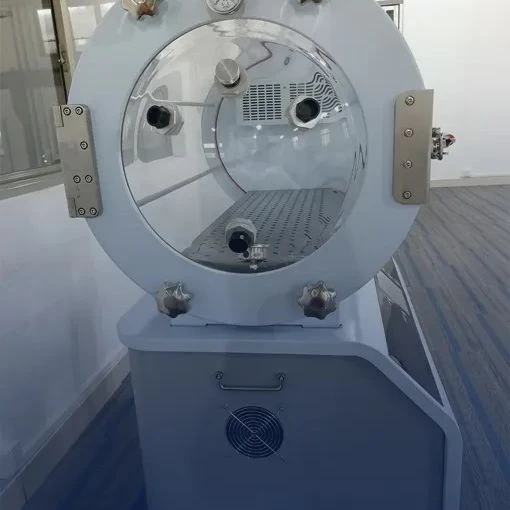
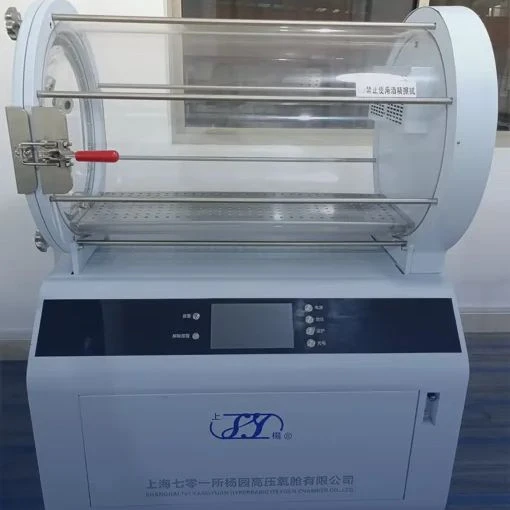
Chamber construction and material selection play an important role in long-term performance and daily clinical use.
Pressure-Resistant Chamber Construction

High-Seal Construction
Transparent Viewing Design
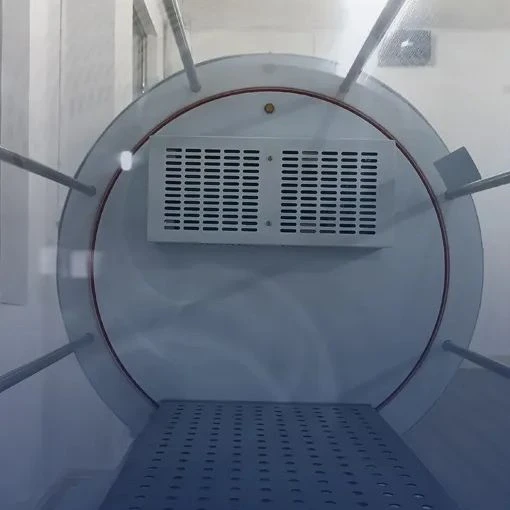
Easy-to-Clean Interior
How to Operate and Maintain a Veterinary Hyperbaric Chamber?
Daily operation and maintenance should be simple enough for veterinary staff to manage
consistently without adding unnecessary complexity to clinical workflows.
Simple and Clear Controls
The control system should make key operating functions easy to access and understand. A touchscreen interface with automatic and manual control options can help staff set treatment parameters, monitor operating conditions, and manage the chamber throughout each session.
Real-Time Status Monitoring
During operation, staff should be able to view important parameters such as chamber pressure, oxygen concentration, CO₂ concentration, temperature, humidity, and treatment time. Centralized monitoring provides a clear overview of chamber conditions and helps staff identify abnormal changes promptly.
Routine Cleaning and Disinfection
The chamber should be cleaned and disinfected regularly according to the manufacturer's instructions, particularly between different animal patients. An interior with smooth surfaces and few hard-to-reach areas can make routine cleaning more efficient and easier to incorporate into daily clinic procedures.
Regular Inspection and Servicing
Routine inspection should cover key components such as seals, pressure-control systems, oxygen-generation or supply systems, ventilation components, monitoring sensors, and other operating parts. Clinics should also consider the manufacturer's maintenance guidance, availability of technical support, and access to replacement components when comparing equipment.
How to Compare Veterinary Hyperbaric Chamber Manufacturers?
Choosing a manufacturer requires evaluating not only the chamber itself, but also the supplier's
manufacturing capabilities, quality control, technical support, and long-term service.
Manufacturing Experience and Technical Expertise
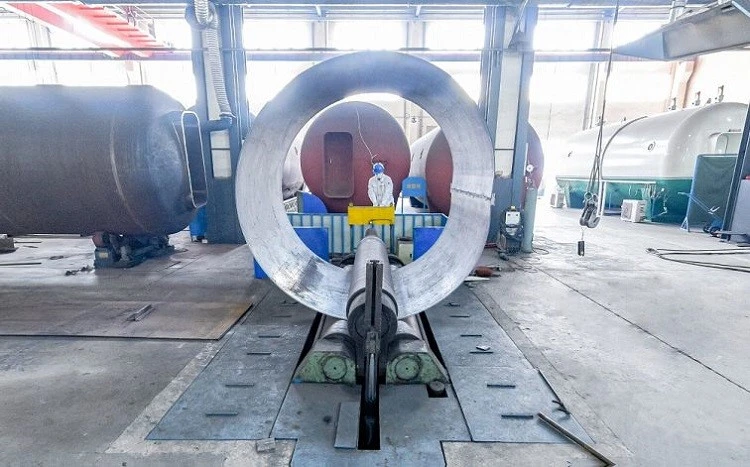
A manufacturer with established experience in hyperbaric chamber design and production is better positioned to address the technical requirements of pressure control, oxygen systems, chamber construction, and equipment integration. When comparing suppliers, consider their manufacturing history, engineering capabilities, production facilities, and experience supplying equipment for professional healthcare or veterinary environments.
Quality Control and Compliance Standards
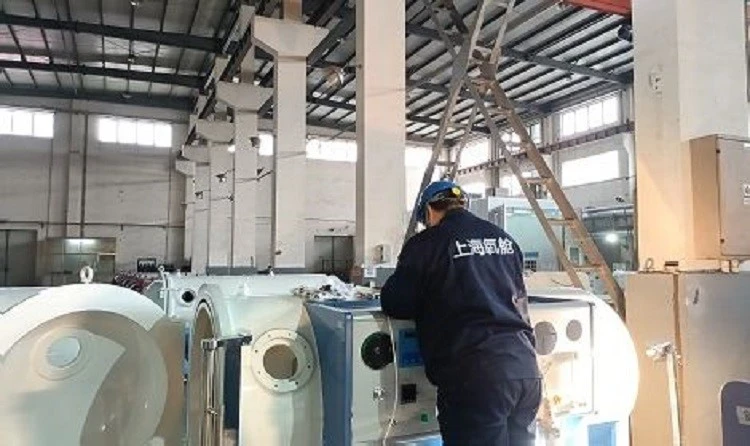
Quality control should cover the entire manufacturing process, from component selection and assembly to system testing and final inspection. Buyers should also check the manufacturer's quality management certifications and relevant compliance documentation for the target market. Clear quality procedures and traceable inspection records provide greater confidence that each chamber is manufactured and tested according to defined requirements.
Pre-Shipment Testing and Inspection
Before shipment, the complete chamber should undergo functional and performance checks rather than relying solely on factory specifications. Important inspection items may include oxygen system functionality, pressure stability, ventilation, cooling or air-conditioning, humidification, and monitoring systems. A documented pre-shipment inspection process can help identify potential issues before installation and reduce unnecessary troubleshooting after delivery.
Technical Support and After-Sales Service
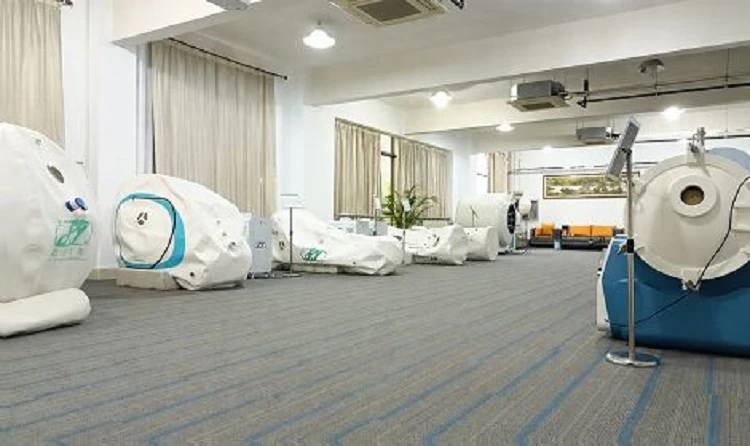
Technical support is important throughout the equipment's service life, particularly for systems involving pressure, oxygen generation, monitoring, and environmental control. When evaluating manufacturers, check whether they provide operating manuals, installation or commissioning guidance, remote technical training, troubleshooting support, spare-parts assistance, and a clearly defined warranty policy.
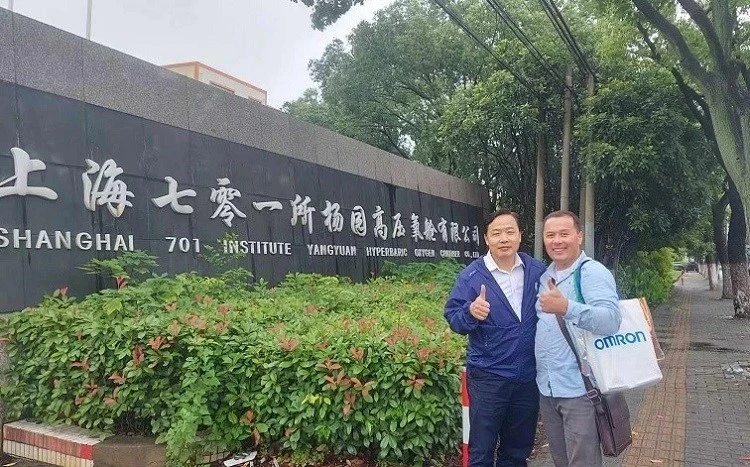
OEM and ODM Capabilities
For distributors and veterinary equipment suppliers, OEM and ODM capabilities can provide additional flexibility when developing products for different markets. Depending on the project, customization may include chamber materials, external appearance, configuration, branding, or other product requirements. A manufacturer with established customization capabilities can help buyers develop equipment that better fits their target market and sales strategy.
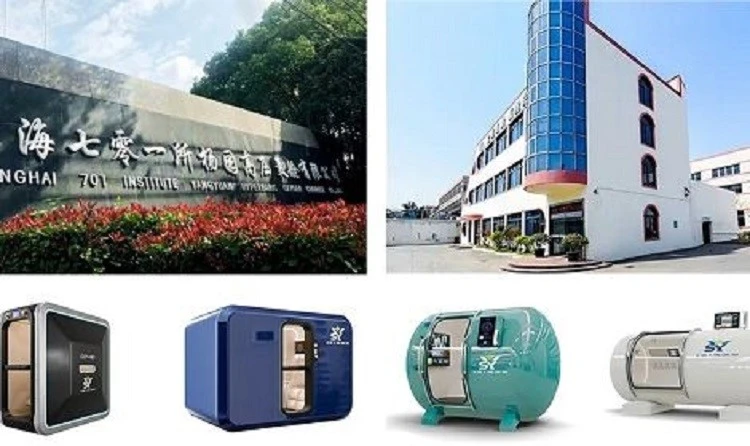
Why Choose 701 as Your Hyperbaric Chamber Manufacturer?
With specialized experience and integrated manufacturing capabilities, 701 provides reliable
hyperbaric chamber solutions for professional buyers and distributors.
• 30+ Years of Manufacturing Experience - Since 1993, 701 has focused on hyperbaric chamber design, manufacturing, and technical development.
• Factory-Direct Manufacturing - 701 manages chamber production, system integration, and pre-shipment inspection directly, supporting efficient communication and consistent quality.
• OEM/ODM Support - Customization is available for materials, external appearance, configuration, and private-label requirements to meet different market needs.
• Strict Quality Control - Following ISO 13485 quality management procedures and applicable CE requirements, each chamber undergoes comprehensive pre-shipment testing before delivery.
• Technical and Distributor Support - 701 provides technical guidance, remote training, warranty and after-sales support, along with marketing resources and distributor assistance.
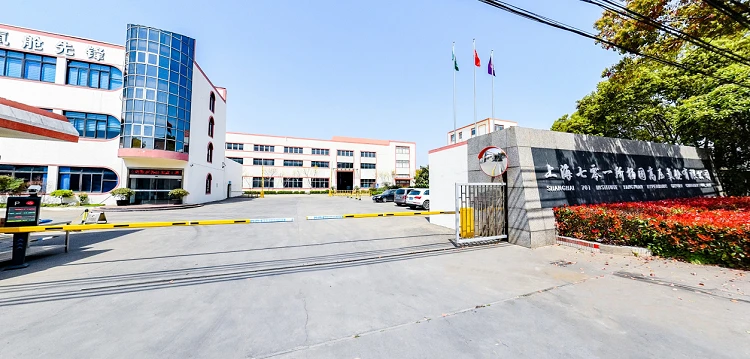
Get the Right Hyperbaric Chamber Solution for Your Project